

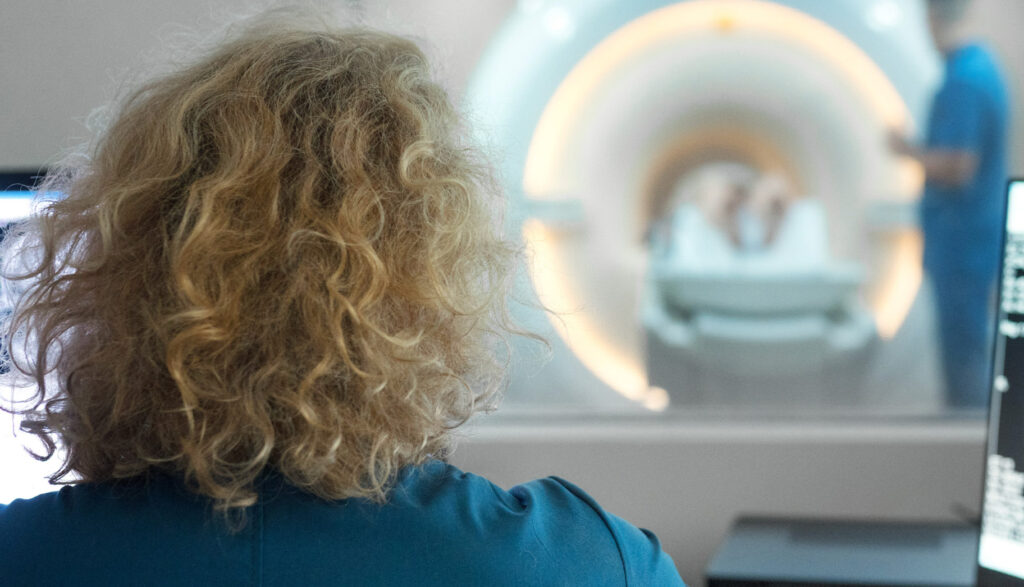
Nuclear cardiology is no longer just diagnostic — it is increasingly guiding therapeutic decisions across cardiovascular care. Growth in precision diagnostics is driving demand for advanced molecular imaging, CT-based solutions, PET, and emerging applications such as cardiac amyloidosis and sarcoidosis imaging. But these advances are arriving at a time of mounting pressure for imaging programs.
The imaging workforce was significantly impacted by COVID-19, and cardiovascular care continues to face staffing shortages and burnout among clinical teams. At the same time, reimbursement pressures are intensifying. On July 15, 2025, CMS released its proposed Medicare Physician Fee Schedule for 2026, which included reductions in nuclear medicine payments.
The result: imaging leaders must modernize their labs — or risk falling behind both clinically and operationally. Programs that delay risk reduced relevance in both care delivery and financial performance.
The Problem with Legacy Technology
Outdated imaging systems introduce challenges that extend beyond image quality. Downtime, limited throughput and workflow inefficiencies create strain on already stretched teams. As Jaime Warren, Vice President of Care Transformation Services at MedAxiom, noted during a recent webinar: “Clinical excellence can’t run on 20-year-old equipment.”
Legacy systems can also contribute to patient leakage as demand grows for higher-quality imaging and newer modalities. “Patient trust and outcomes rely on current, high-quality diagnostics,” Warren said. “Efficiency is retention.”
Modern technology supports smoother workflows and helps reduce burnout by enabling staff to focus on patient care rather than operational obstacles.
From Beneficial to Essential
Equipment upgrades are no longer optional enhancements — they are now foundational to modern care delivery.
As Scott Jerome, Director of Ambulatory Services and Outreach Cardiology at the University of Maryland School of Medicine, shared: “A few years ago, equipment upgrades were important because of improving technology, software, imaging quality, throughput and revenue. But in recent years, upgrading has shifted from being beneficial to absolutely essential. New imaging agents now deliver significantly better image quality, greater accuracy, and more robust prognostic information — making equipment upgrades indispensable for maintaining modern standards of patient care.”
Jerome described the challenges faced by a mature ambulatory program using imaging technology that was 15–20 years old. Rising patient demand — driven in part by expanded hospital coverage and retiring cardiologists — created increased need for stress testing. Yet the program faced budget constraints, hiring freezes, reimbursement pressures, and growing competition from CT angiography. “We needed more capacity,” Jerome said.
Presenting Both Sides of the Equation
Tracy Young, Product Support Specialist at Catalyst MedTech, shared a similar experience while helping optimize her department at Dartmouth Health. Her case for modernization balanced clinical and administrative priorities.
Clinical needs included:
- Improved diagnostic accuracy
- Greater efficiency
- Expanded imaging options
Administrative priorities included:
- Maintaining patient volumes
- Improving profitability
- Reducing avoidable costs such as excess labor and downtime
She also highlighted emerging concerns, including cybersecurity risks tied to outdated equipment — an increasing consideration for IT teams. Newer technology, she explained, helps protect revenue streams, improve operational efficiency, and support staff retention. “Techs have options, and most won’t work on severely outdated systems that add unnecessary stress.” Above all, she emphasized: “Diagnostic accuracy is nonnegotiable.”
A Broader View of Optimization
Modernization today goes beyond replacing hardware. It includes evaluating workflow, maintaining existing systems effectively and ensuring programs are positioned to support evolving clinical demands.
According to Martin Shirley, CEO & President of Catalyst MedTech, imaging leaders benefit from assessing their full operational landscape — from equipment capability to service support and future readiness. Programs that take a comprehensive approach to optimization are better equipped to:
- Sustain clinical quality
- Support workforce stability
- Adapt to evolving reimbursement and demand pressures
The Time to Act Is Now
Updating imaging protocols, camera technology and processing software can reduce radiation exposure while improving diagnostic accuracy. As the American Society of Nuclear Cardiology notes, providers should strive to integrate innovations that enhance both patient care and operational efficiency.
Modernization is no longer simply a strategic advantage. It is increasingly becoming a foundational requirement for delivering high-quality cardiovascular care in today’s environment.
Healthcare leaders must now take a proactive approach to modernization to sustain quality, efficiency and long-term viability. If your organization is considering how to strengthen clinical performance and operational sustainability, learn more about comprehensive cardiology imaging solutions here: https://catalystmedtech.com/solutions/cardiology. To learn how Catalyst MedTech helps imaging programs optimize performance, request a complimentary Nuclear Lab Optimization Assessment.